Step outside the cookie cutter: WallGoldfinger shares how custom furniture is built
Specifying and relying on a manufacturer to make you custom furniture can be intimidating as compared to picking something out of a catalog. WallGoldfinger has been building custom corporate furniture for decades. Here the team reviews the custom furniture sales and production processes to help you build confidence in selecting furnishings unique to your business and business needs.
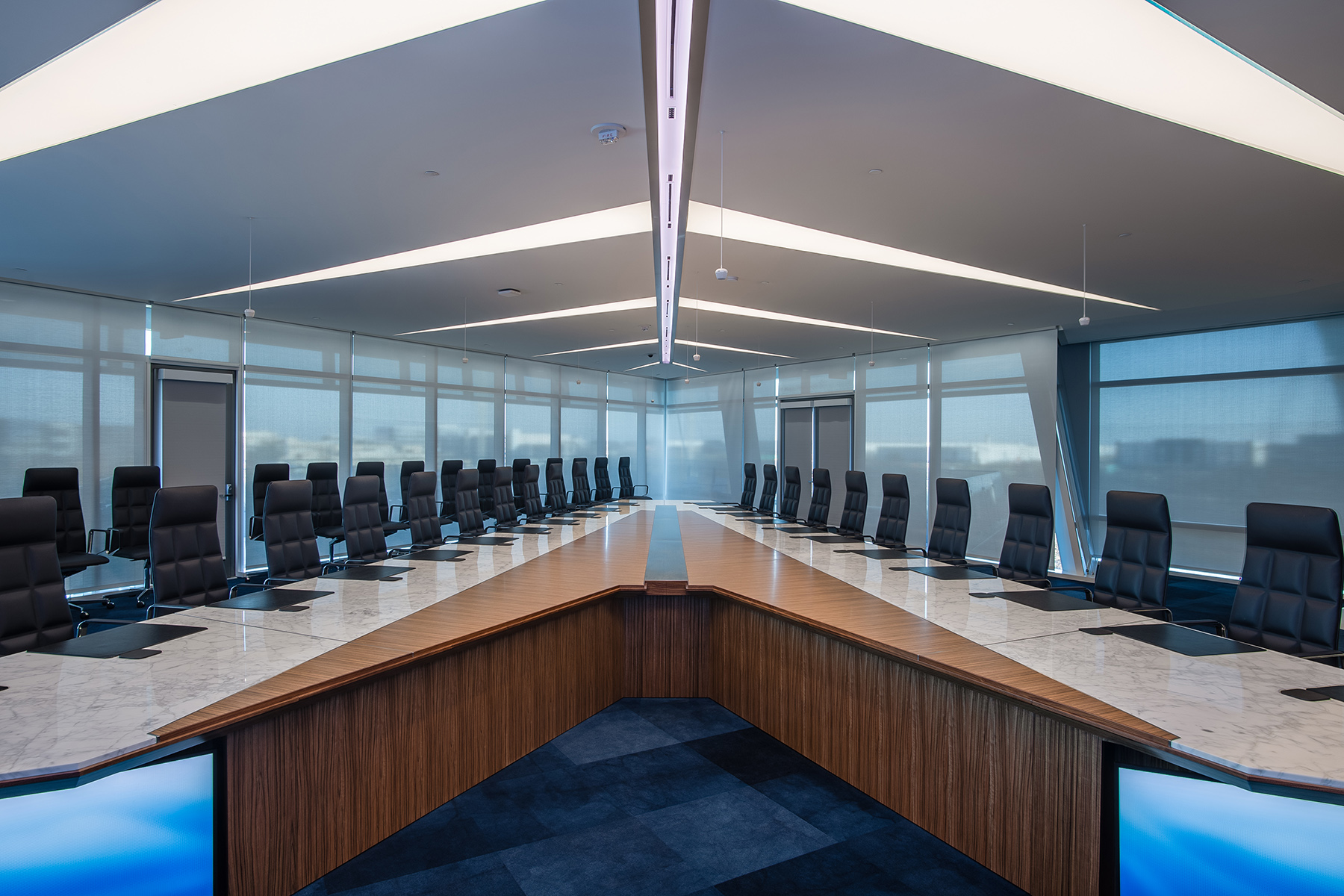
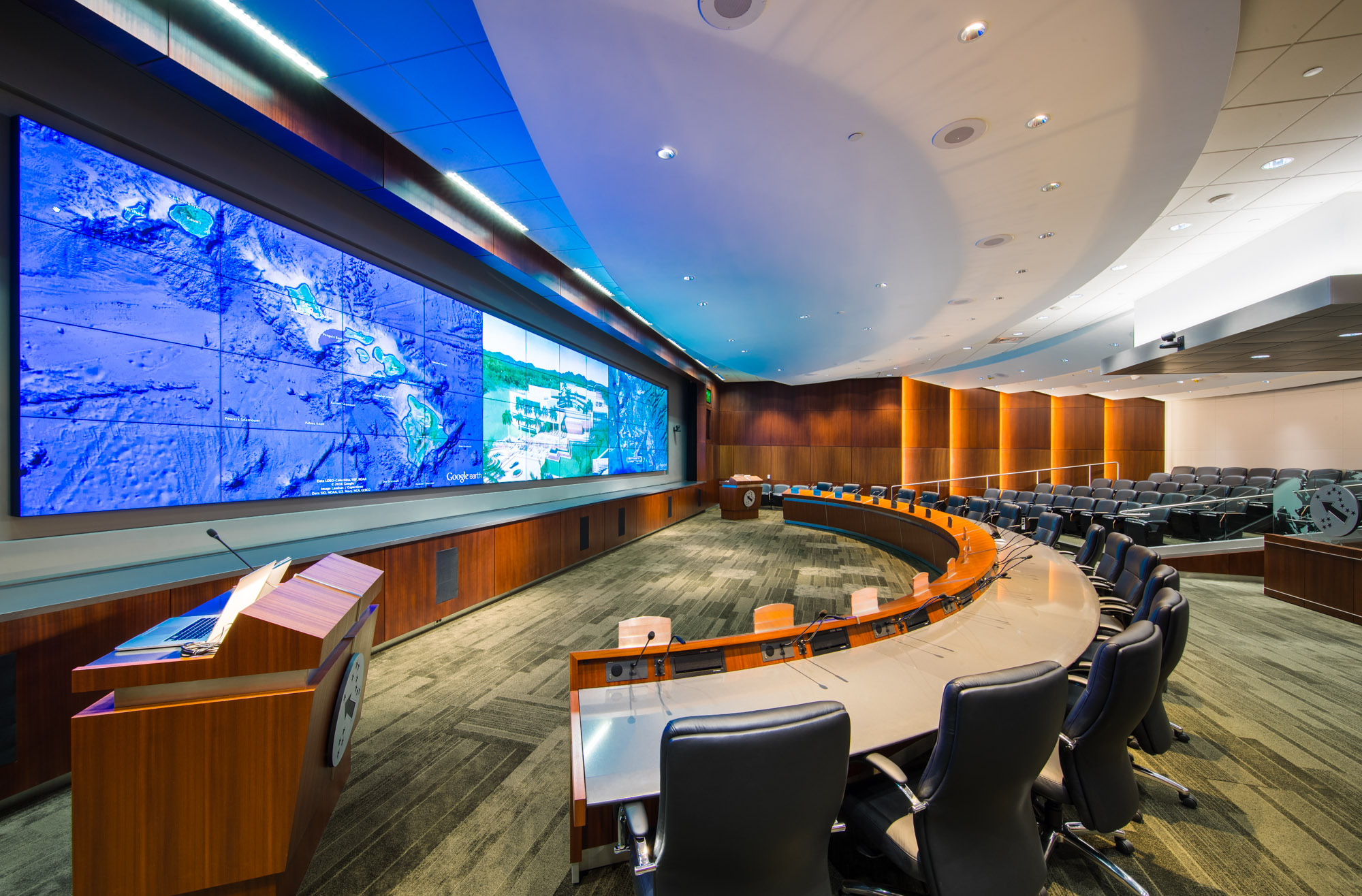
Custom furniture, or customizable product lines, allows businesses to dictate design, choose materials that match millwork and other room finishes, and to specify all needed technology. It’s about form and function.
But how do you get there? At WallGoldfinger, an experienced sales, estimating, and concept illustration team guides clients, architects, and furniture dealers through the initial specification and pricing process. A talented team of project managers, engineers or drafters, and woodworkers then turns concept into reality.
Let’s dive deeper.
The sales process
If an architect has created a furniture specification, that can be sent to the sales team. A team member will review it, form a question list of any missing data, and prepare a detailed description for an estimator to price and a concept illustrator to draw.
That detailed description, the estimate, and concept illustrations become part of a pricing proposal sent back to you to review. Estimates will be based on material, technology, and labor costs at the time of your request, and the description and renderings will help you understand and visualize exactly what was priced.
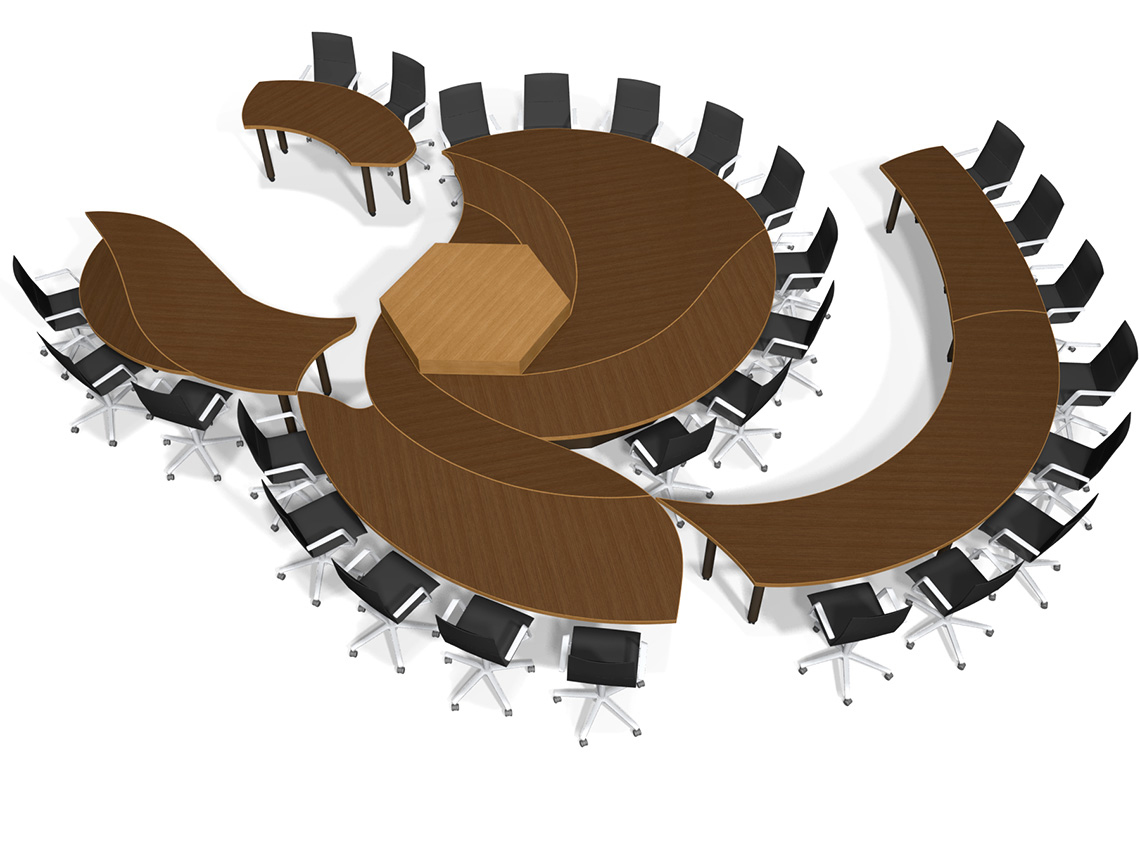
Sometimes what is priced is different than what is specified. The WallGoldfinger team is thinking about things like what is buildable, what will stay beautiful and safe over time (such as supporting long spans and how materials move), and what complies with Americans with Disability Act requirements.
If a specification has not been developed, the sales team member will work with the client, architect, and/or furniture dealer to help develop that specification. That means asking and answering questions. Here are some that you might hear:
· What size and shape of furniture is needed? (How big your room is will likely dictate size and shape. In the case of a table, how many people you need to seat and how you plan to use the table also come into play. In the case of a credenza, understanding what components, such as trash and recycling pullouts, refrigeration, and AV racks, will be factors in determining things like height and depth. WallGoldfinger can help plan the best options based on client needs.)
· What materials are desired?
· What technology is needed?
· Where does the furniture need to go and when is it needed?
The sales, estimating, and rendering process ultimately gets a project from “we need furniture” to here is the cost and unique look of your furniture. The fine details, however, will occur after a sale.
Get ready to build
After a project is sold, it is handed off to a veteran project manager. The project manager will become your contact and resource as the furniture moves from concept to completion.
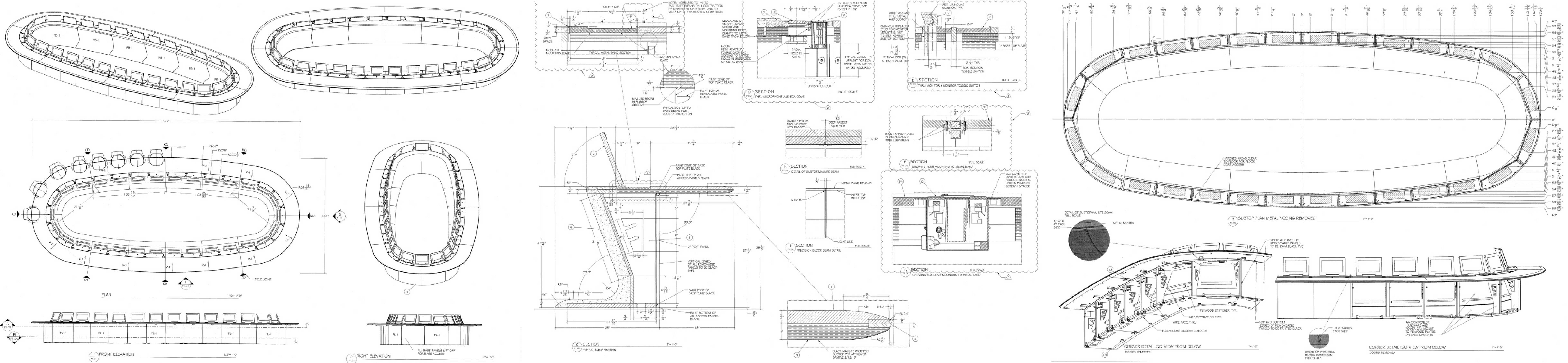
The project manager will work with experienced drafters to draw the furniture in a computer-assisted design (CAD) program in great detail. These will be the construction drawings, show internal construction needed to support your furniture, show how technology and other components fit, and be exactly sized – often to the 1/32 of an inch. They will also consider things like elevator sizes. Larger furniture will be built in sections and assembled on site. Those section sizes are dictated by material sizes and the client’s building limitations.
Drawings will be sent for approval before anything is built.
The project manager will also send samples of all materials for approval.
In the case of readymade materials, this means ordering things like engineered stones, solid surfaces, faux leathers, etc., from their manufacturers. In the case of custom made materials, this means ordering the exact back-paint color on the right glass thickness, for example. In the case of wood, the right veneer is ordered, laid up on a substrate, and finished by WallGoldfinger's expert team to match a control sample, such as from project millwork.
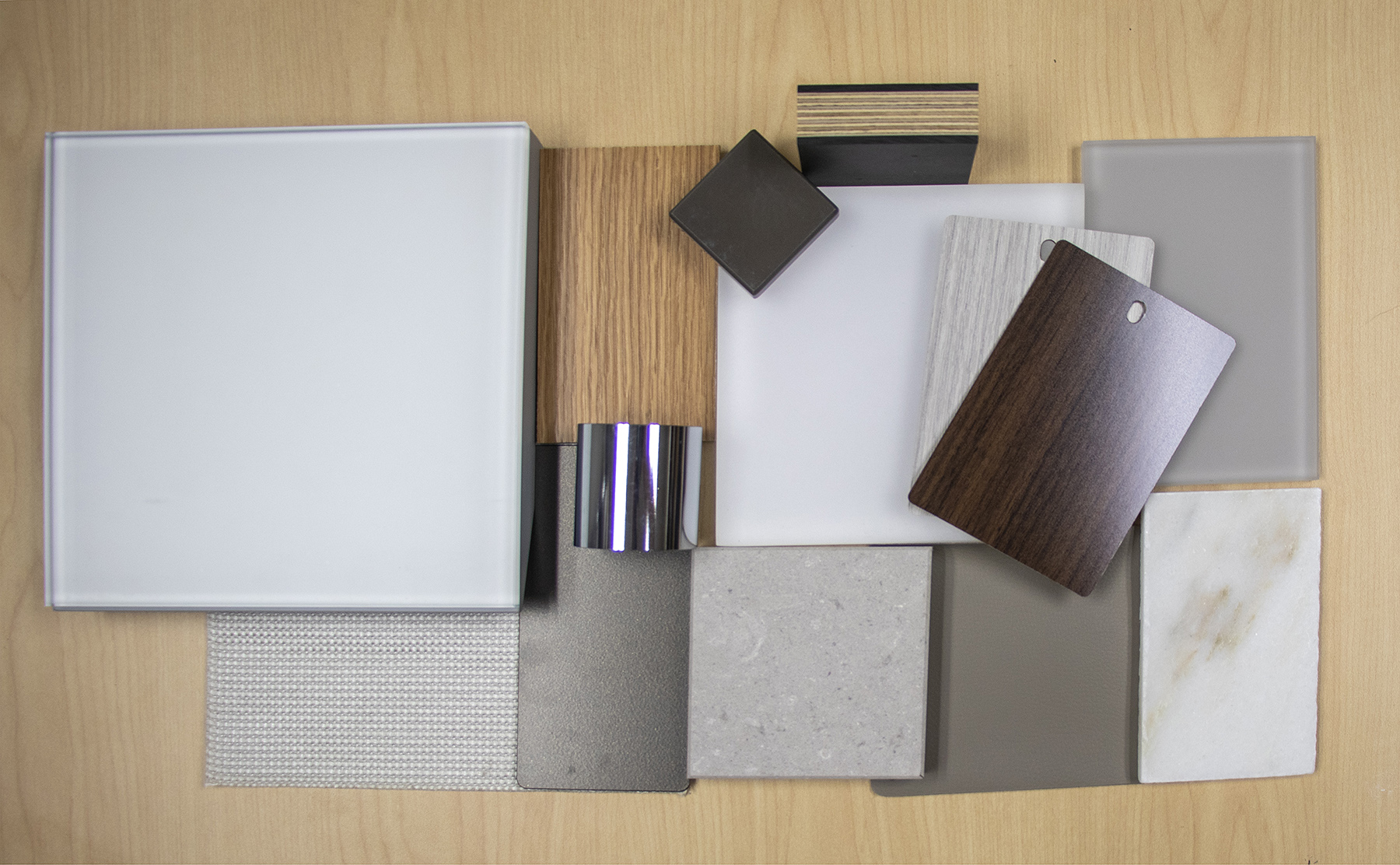
Once materials and drawings are approved, the project manager orders those materials. Fabrication begins once those materials arrive.
When furniture is complete, the project manager coordinates shipping it safely to you and, if WallGoldfinger is providing the installation, get it installed in accordance to building requirements, such as on straight-time or over-time hours and with or without union labor.
Schedule
Unlike say a sofa for your living room, custom and customizable corporate furniture isn’t sitting on a warehouse floor or shelf ready to pack up and send to you. It’s built to your needs.
The sales team will give you a tentative production schedule up front with milestone dates, so you know how long various stages, such as creating construction drawings, material lead times, and fabrication are expected to take. In most cases, it takes 18-21 weeks from when you order to when furniture ships to you.

Factors that make a project longer or shorter include things like what materials you have selected, where they are located, and how long they take to get.
WallGoldfinger has a large network of trusted suppliers, but some things just take longer. Metal is one. Like WallGoldfinger’s woodworking shop, metal fabrication shops are busy. It typically takes at eight weeks to fabricate and finish custom metal parts. Stone shipping from a quarry overseas will obviously take longer to get than something at a local stone yard. Some technology components take longer.
The size of your project also matters with a larger project taking longer to build. How busy the shop is at the time of your order can impact schedules. You also play a part. How long it takes to get samples and drawings approved impacts how quickly a project can start.
Communication
Keeping lines of communication open is key.
It starts with you and the sales team, and then the project manager will guide you through.
It’s a team effort – you and WallGoldfinger – working together to successfully create furniture that will match your finishes, meet often very complex functional and technology needs, and no doubt turn heads in your office.
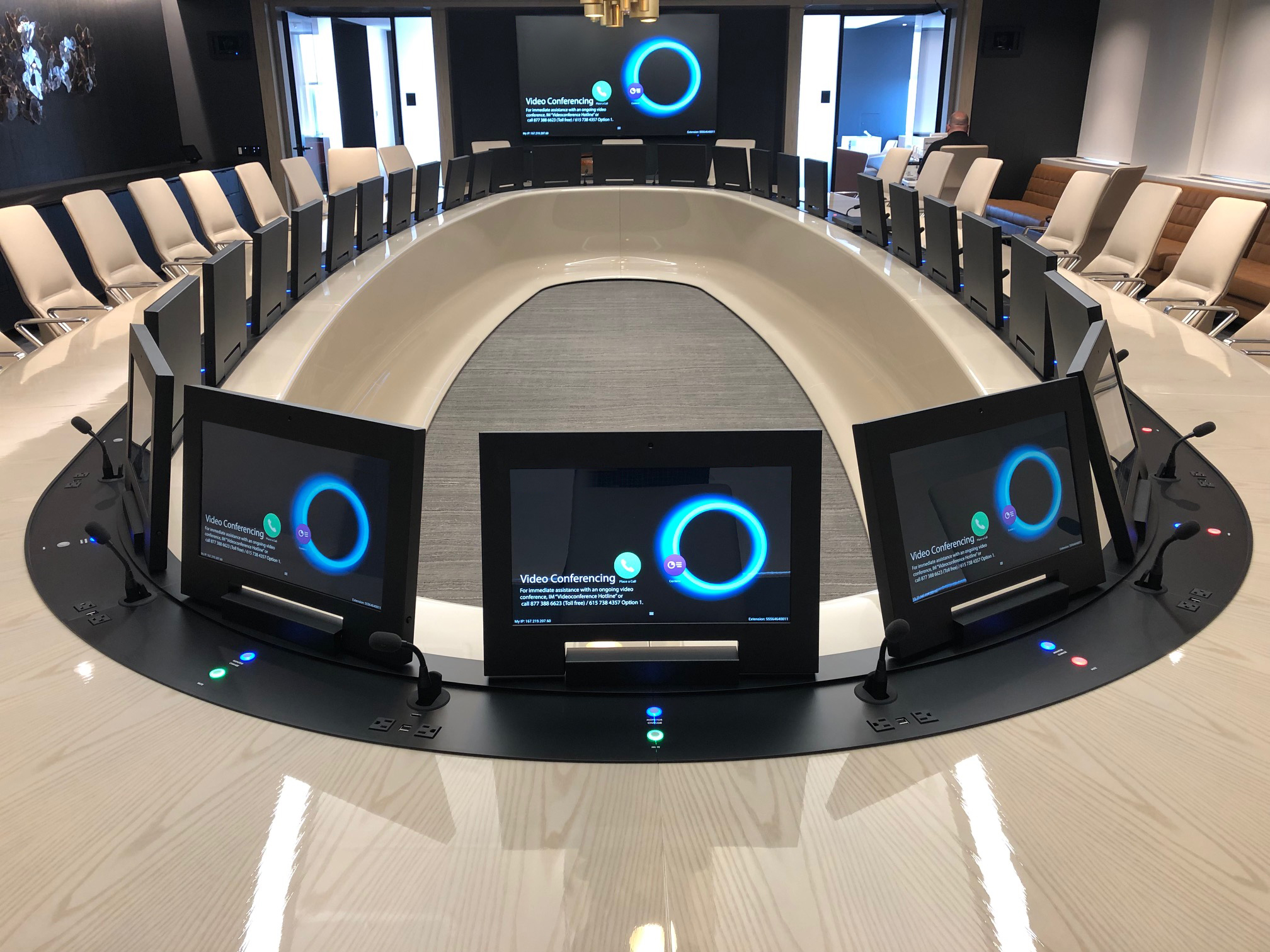
See more
To see more custom furniture examples and the diverse kinds of furniture WallGoldfinger typically builds, visit the custom portion of WallGoldfinger’s website: https://www.markrichey.com/wallgoldfinger-furniture/custom
As a custom manufacturer, WallGoldfinger is also able to customize its product lines (with limitations). See WallGoldfinger’s product lines, including innovative reconfigurable lines: https://www.markrichey.com/wallgoldfinger-furniture/product-lines
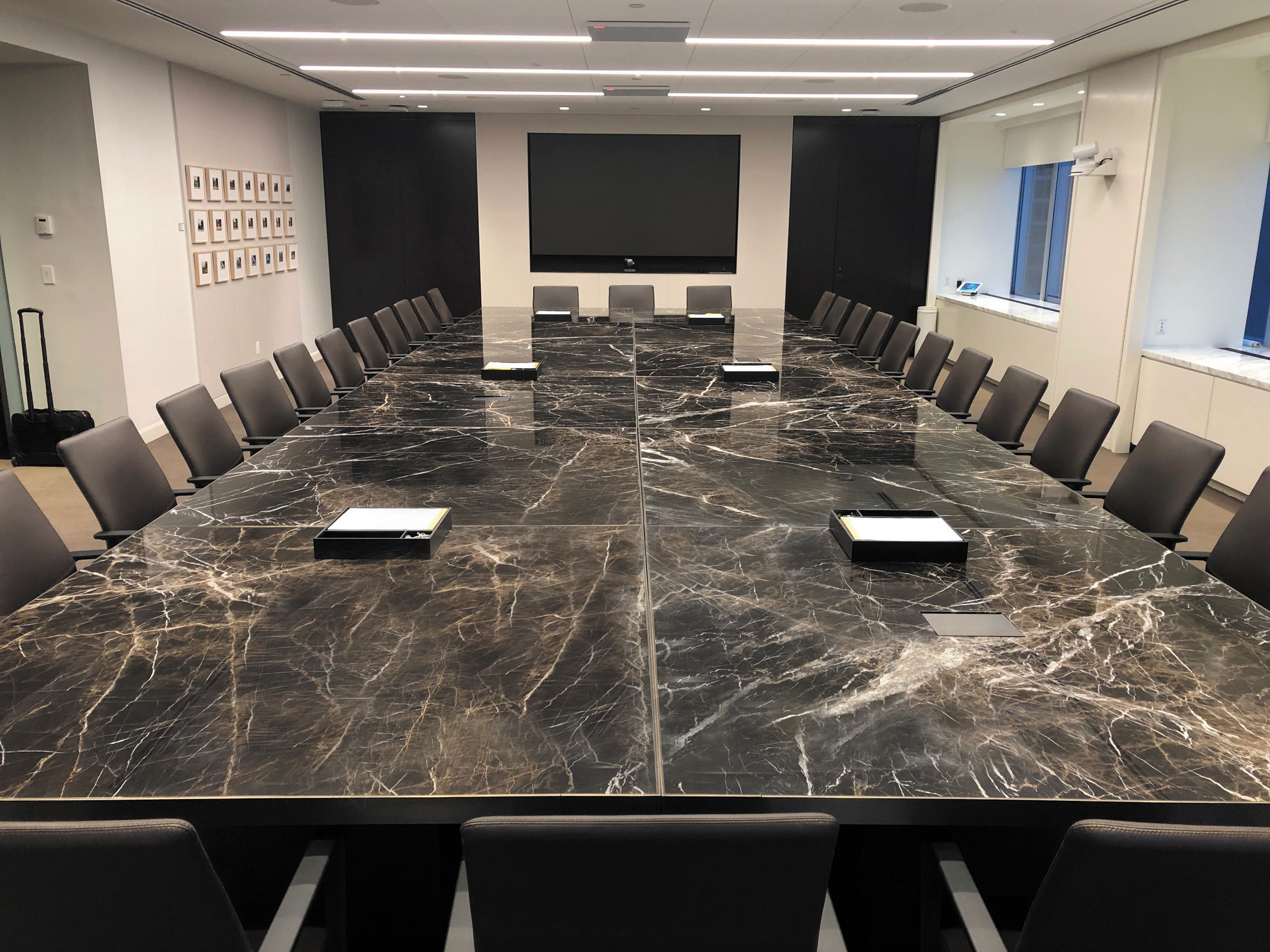
Get started
Reach out to WallGoldfinger to get your project started or for answers to questions. The best way to connect with the full sales and estimating team is via email at sales@wallgoldfinger.com. Unless it is a weekend or holiday, emails are typically returned the same day.

About Us
Combining artistry with technology to produce superior woodwork.

Recognition
At Mark Richey Woodworking, we are honored to have been recognized for producing superior work on diverse projects.

Our Impact
We give our time and resources to protect the environment, and to support projects that we believe in.